
Mental Health and Hope During COVID-19: Coping with Fear, Isolation, and Uncertainty
The COVID-19 pandemic has shaken the world, filling our lives with fear, uncertainty, and emotional challenges. As we stay isolated?either alone or with family and loved ones?we're overwhelmed by news reports, social media updates, and the constant buzz of information about the virus. This nonstop exposure has increased global anxiety and panic.
The Emotional Toll of COVID-19
Isolation can be especially frightening. As human beings, we are naturally social creatures. Even being around others without talking can make us feel less alone. Before the pandemic, people struggling with loneliness were encouraged to take a walk, visit a mall, go to the park, or dine out. Today, many of those options are unavailable due to safety restrictions.
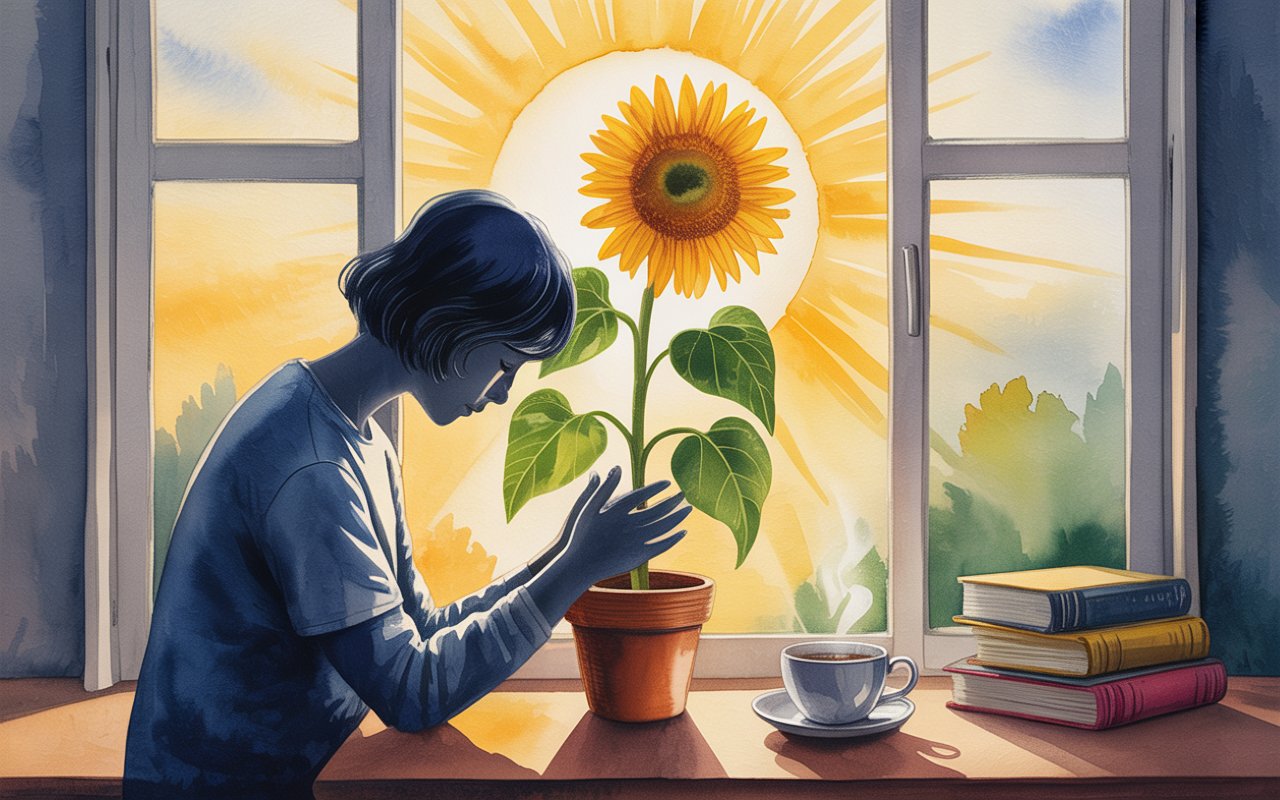
We?re not just facing isolation?we?re dealing with a wide range of problems:
- Fear of illness or losing loved ones
- Financial hardship and job insecurity
- Disruption of daily routines and education
- Uncertainty about the future
Anxiety and Mental Health Challenges
This uncertainty creates overwhelming feelings of anxiety, helplessness, and hopelessness. After weeks or months of isolation, the novelty of staying home fades. What once felt safe may begin to feel like a prison. Mental health issues have surged during this time, with many individuals struggling in silence.
Experts warn that we may face a mental health crisis in the aftermath of COVID-19. Communities must prepare now to provide support and care, especially for vulnerable and ?at-risk? individuals.
Grief and Trauma During the Pandemic
COVID-19 is more than a health crisis?it?s a traumatic global event. Many have lost loved ones and have been denied the chance to say goodbye or attend funerals. This unresolved grief adds another layer of emotional pain. Like survivors of war or natural disasters, people will carry emotional scars from this pandemic.
The world we return to post-pandemic will not be the same. Our lifestyles, economies, and daily habits will likely change?some for the better, others for the worse.
We Will Overcome: Humanity?s History of Survival
Despite the pain and uncertainty, we must hold on to hope. History has shown that humankind is resilient.
We have endured and survived many catastrophic events:
- The Black Plague (1347?1530)
- The Great Depression (1930s)
- The 1918 Spanish Flu pandemic
- Multiple famines, wars, natural disasters, and more
COVID-19 will be another chapter in our history books. And like the many disasters before, we will adapt, survive, and rebuild.
A Time for Reflection and Growth
Crises often bring people together. They spark creativity, compassion, and resourcefulness. Today, we have the technology, knowledge, and global cooperation to fight this virus. Although some lives will be tragically lost, billions will survive, and humanity will move forward.
Everyone has a part to play?by staying informed, following safety guidelines, and supporting one another, we can flatten the curve and reduce the virus's spread.
How to Make the Most of Your Time at Home
Rather than letting fear take over, use this time for personal and family growth:
- Create memories with loved ones
- Read books and explore new knowledge
- Play, laugh, and bond with family
- Practice mindfulness, meditation, and prayer
- Declutter and organize your space
- Cook healthy meals and nourish your body
Avoid wasting time. Idle minds often lead to fear and depression. Instead, treat this as an opportunity for mental clarity, personal development, and emotional healing.
Final Thoughts
This is a difficult chapter in human history, but not the end of the story. Let this time remind us of our shared humanity. With strength, compassion, and unity, we will overcome COVID-19?stronger and more mindful than before.